PlacesBerlin
Storage unit rental during a Berlin move
Year round
Berlin handover dates rarely meet, and the gap is where self storage comes in. What the sizes actually hold, why the outer ring is the only place to look, how the month-end crunch and the parking suspension for a furniture lift shape the timing, and what an unheated unit does to your things over a winter.
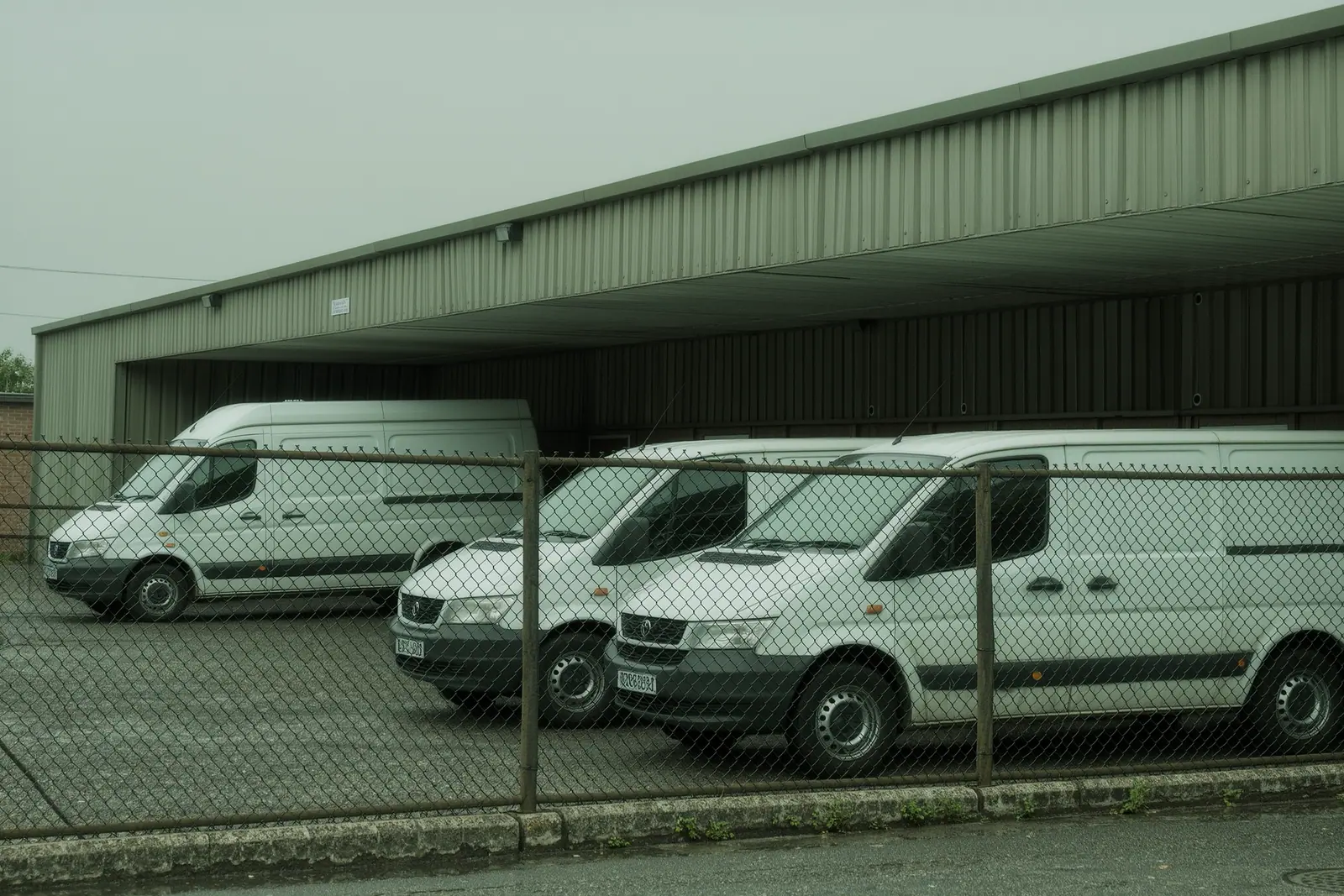
The dates do not meet. You hand back the keys at the end of the month and the new flat is not free until the middle of the next one, which leaves everything you own with nowhere to be for a fortnight. The friend’s cellar is full, the parents live three hundred kilometres away, and the alternative is paying a removals firm to hold it, which costs more than a unit and gives you no access.
Self storage in Berlin solves this well, and it has three local complications: where the sites are, when everybody else wants them, and how you get a wardrobe down four flights of stairs.
What you are actually choosing between
| Option | Access | Climate | Term | Best for |
|---|---|---|---|---|
| Interior unit in a storage building | Lift and corridor | Stable, unheated but sheltered | Monthly, minimum term | Furniture and anything soft |
| Ground-floor drive-up unit | Van straight to the door | Follows the outside temperature | Monthly | Heavy items, short gaps |
| Container in a yard | Van to the door | Cold, condensation | Monthly | Tools, garden things, bikes |
| Cellar compartment | Stairs | Damp | Included with a tenancy | Bicycles, tools, nothing soft |
| A rented garage | Direct | Cold and damp | Monthly, hard to find | Vehicles and bulk |
| A room in a shared flat | Stairs | Warm | Informal | Boxes only, and a favour owed |
The trade people get wrong is choosing a drive-up unit for the easy unload and then discovering it is the coldest option for a winter store. If the things going in are books, records, instruments or upholstered furniture, take the interior unit and accept the trolley.
Where the sites are
Storage needs cheap floor area and lorry access, so it sits on the outer ring: the industrial belts of Marzahn and Lichtenberg in the east, Schöneweide and Tempelhof in the south, Reinickendorf and Spandau in the west and north. There is very little inside the inner districts and what exists is priced accordingly.
That distance is fine for storage and poor for a working store. If you plan to visit the unit weekly — because you are running a small business out of it, or because half of your kit lives there — measure the journey honestly before you sign. Twenty-five minutes each way turns into a two-hour errand every time you need one box.
Month end, the fifth floor and the parking suspension
Two Berlin-specific facts govern the timing.
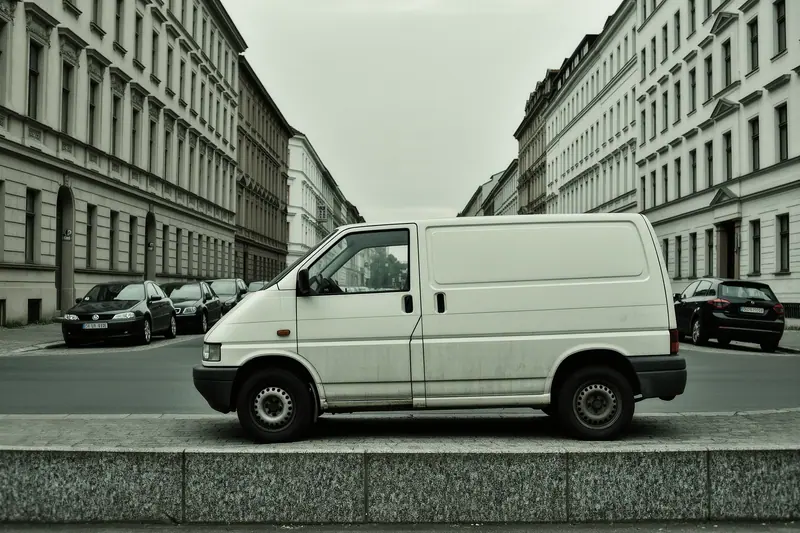
The first is that tenancies overwhelmingly start and end at the turn of the month, so the last Saturday is the busiest moving day in the city. Vans, helpers, furniture lifts and storage units all tighten at once. Moving mid-month costs less and is easier in every dimension, and it is worth negotiating for.
The second is the buildings. Five floors, no lift, a stairwell that turns tight at each half-landing, and a wardrobe that came in through a window in 1994. The answer is an external furniture lift, a ladder hoist that runs up the facade — and it needs the parking bays outside kept clear.
That means a parking suspension: an application to the district office, signs put out in advance, and a lead time measured in working days rather than hours. The districts run it differently and requirements change, so verify with the district office as soon as the date is fixed. Companies that hire out the lift will usually handle the application for you, which is worth paying for.
The contract details that cost money
Storage is sold on a headline monthly figure and the money is in the surrounding terms.
- Minimum term. Frequently longer than the fortnight you need. Ask before you plan a two-week store.
- Notice period. Often a fixed number of weeks, so the exit has to be declared before you have moved out.
- Introductory pricing. A low first period followed by the standing rate. Ask what the rate becomes and when.
- Insurance. Usually compulsory, priced on a declared value, and with exclusions worth reading. Your household policy may already extend to goods in storage; check before buying twice.
- The padlock. Sometimes supplied, sometimes sold to you at the desk, and occasionally specified to a type you do not own.
What an unheated unit does over a winter
Nothing dramatic and quite a lot cumulatively. Cold is not the problem; condensation is. Air warms, meets a cold surface, and water appears on metal, on glass and inside anything sealed in plastic.
- Wrap furniture in moving blankets rather than plastic sheeting.
- Keep everything off the concrete floor on pallets or battens.
- Do not store instruments, records, photographs or anything veneered in a container or a drive-up unit over a winter.
- Empty and dry the washing machine and the fridge properly, and leave doors ajar.
- Fuel, gas bottles, batteries and food are prohibited nearly everywhere, and for good reason.
Book the extra month
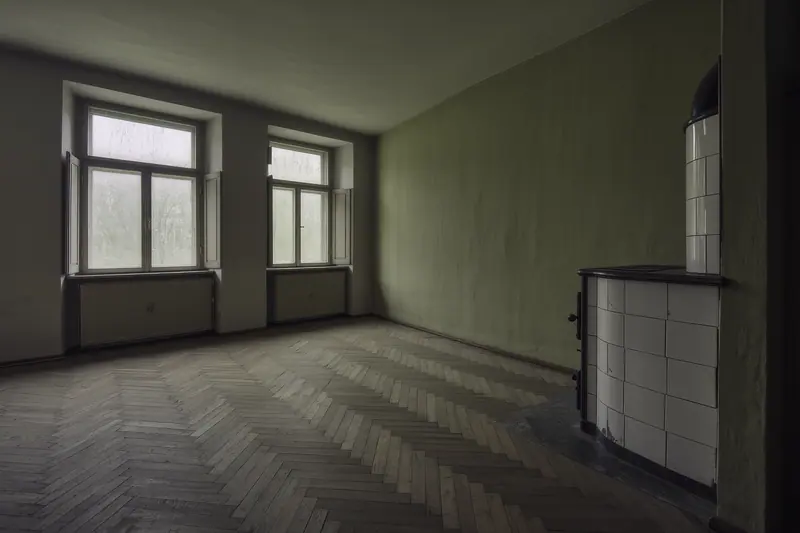
The move out of storage slips more often than the move in. The new flat is not ready, the works overrun, the helper cancels. A unit booked for the exact gap becomes a scramble; a unit booked with a month of slack costs one more month and removes the whole category of problem.
There is a second reason to hold it longer. If the new flat needs work — and in this city an affordable flat usually does — an empty room is worth more than a full one. Sanding a floor with furniture pushed into the middle is not really possible, and the rest of the job goes faster in an empty flat too, which is the argument made in tool hire for an Altbau renovation. If the gap between the flats is months rather than weeks, the storage unit becomes the easy half of the problem and the short-term let becomes the hard one.
What to check before you book
- Book the unit for one month longer than the gap you are covering. The second move always slips.
- Ask whether access is round the clock or during staffed hours, and whether that differs at weekends.
- Confirm the route to the unit: drive-up, goods lift, or a trolley down a long corridor. It changes the unload by hours.
- Check the minimum term and the notice period before you sign. Both are commonly longer than people assume.
- Ask whether insurance is compulsory, how the sum is declared, and what is excluded.
- Ask what the rate does after any introductory period, in writing.
- If you need an external furniture lift, apply for the parking suspension days in advance and verify the lead time with the district office.
Questions people actually ask
- What size storage unit do I need for a Berlin flat?
As a rough guide, a single room of furniture and boxes fits in a few square metres, a two-room flat needs something around the size of a small bedroom, and a family flat with appliances needs more than most people first book. Height helps more than floor area, because these units are tall and boxes stack. Walk the site before you sign; a unit looks much smaller with a door frame in front of it.
- Are Berlin storage units heated?
Usually not, and that matters over a winter. Interior units in a large building stay above freezing and swing less; ground-floor drive-up units and container yards follow the outside temperature and produce condensation when it warms up. Anything with glue, wood or paper in it — instruments, records, photographs, veneered furniture — should go in an interior unit or not into storage at all.
- Why is the end of the month so difficult?
Because most tenancies start and end there, so the vans, the helpers, the furniture lifts and the storage sites all peak on the same three or four days. Prices firm up, availability disappears and everything takes longer. If you have any control over the dates at all, move mid-month; it is the single cheapest decision in the whole process.
- Can I store things in my cellar instead?
A cellar compartment in the older stock is free and damp. The floors are often earth or unsealed, the walls carry moisture from the ground, and mould on cardboard and fabric over a winter is normal rather than unlucky. It is a good place for tools, bicycles and garden furniture, and a bad one for anything soft, wooden or electrical.