GearBerlin
Hiring formalwear for an opera night in Berlin
Nov–Mar
Berlin keeps three opera houses and a full concert calendar, and dresses for none of them the way visitors expect. When hiring formalwear is the right call, what a hire house supplies and what you should buy instead, how long the fitting really takes, and the winter cloakroom detail nobody warns you about.
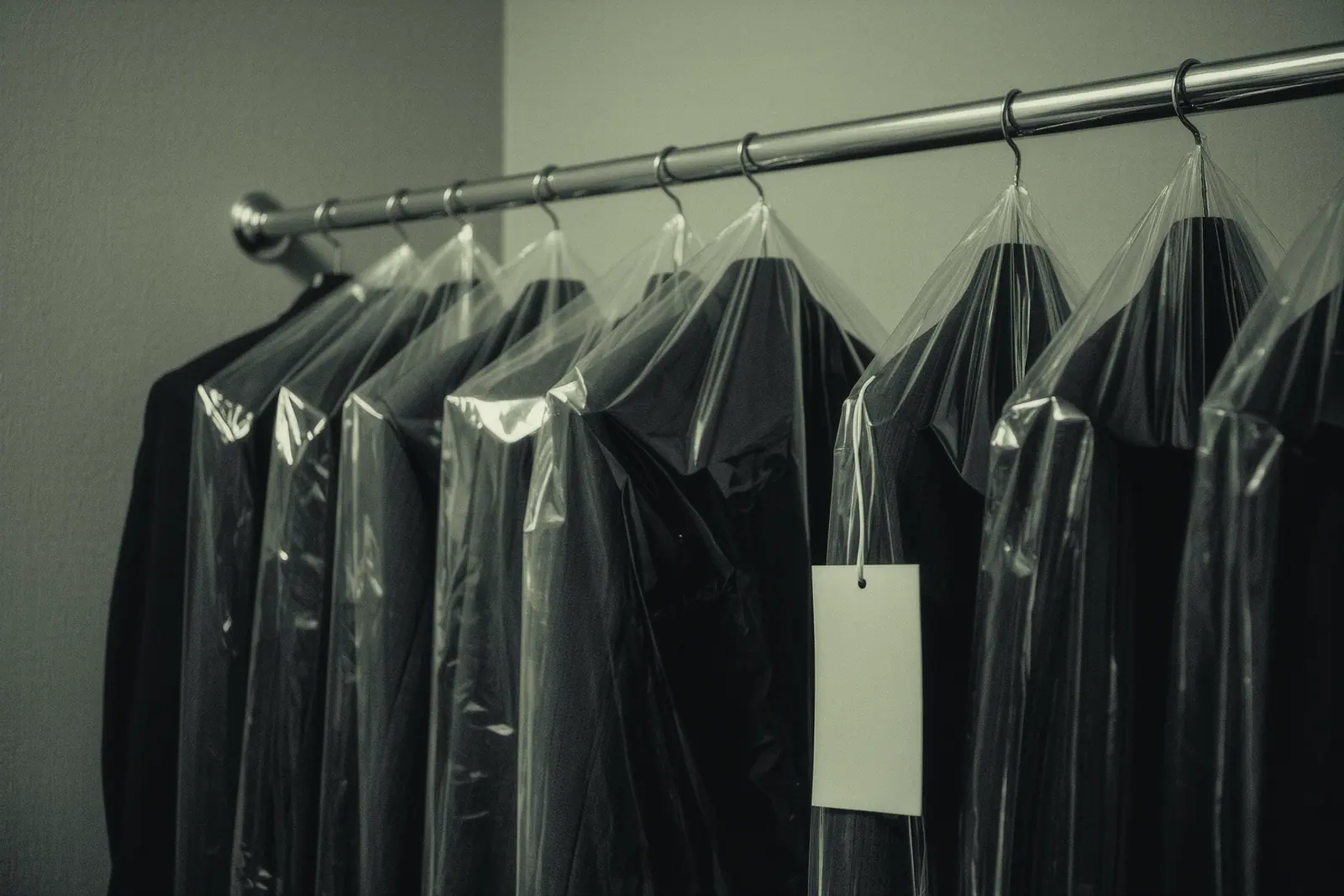
The tickets came from someone at work, the performance is on a Thursday in December, and the panic is entirely misplaced. Berlin keeps three opera houses, a full symphonic calendar and a chamber circuit, and it dresses for all of them about as formally as it dresses for a decent restaurant. On an ordinary evening the row you sit in will hold a dark suit, a jumper, one immaculate coat and somebody who came straight from a building site.
Which is why the first question is not where to hire, but whether to.
When it is actually warranted
There is a short list of evenings in this city where full evening dress is the right answer rather than a costume.
- A premiere. The opening night of a new production is a genuinely dressed audience, and the difference is visible from the foyer.
- Gala and anniversary concerts, which cluster in the autumn opening weeks.
- New Year’s Eve and the days around it. Almost every house programmes something for it and the audience responds.
- The winter ball season, roughly January into February. Balls are the one context where tails are not fancy dress.
- Somebody else’s rules. A corporate box or an invitation that states a dress code has already decided for you.
Everything else is a dark suit, and a dark suit that fits beats a hired dinner jacket that does not.
What a hire house gives you, and what to buy instead
| Item | Hire | Buy | Why |
|---|---|---|---|
| Dinner jacket and trousers | Yes | If it is your third event | The one item genuinely worth hiring |
| Tailcoat | Yes | Almost never | You will wear it once |
| Dress shirt | Yes | Yes, eventually | Cheap to own, and sizing is simple |
| Bow tie | Included | Buy a self-tie | A pre-tied bow is visible at three metres |
| Waistcoat or cummerbund | Yes | — | Depends entirely on the jacket cut |
| Studs and links | Sometimes | Yes | The most commonly lost small parts on the return sheet |
| Shoes | Offered | Yes | A borrowed shoe on a marble foyer floor is a bad evening |
| Overcoat | Rarely | Yes | It is winter, and the cloakroom is not optional |
The trouser length is set at the fitting to the shoe you will wear, so take the shoes with you. It is the single most common reason a hire looks hired.
Two appointments, not one
The fitting is not the collection. A hire house measures, pins and takes the garment away for alteration, and you come back for it. Plan a week between the two, and more in December.

The hire period itself is short and shaped around the weekend: collect late in the working week, return at the start of the next one. If the performance is on a Tuesday, ask specifically how that is handled, because the standard structure assumes a Saturday night.
The cloakroom, which visitors never expect
Berlin houses in winter will generally not let you take a bulky coat to your seat. The cloakroom is a real queue, it forms twice — once before and once at the end — and the second one is worse. Two consequences for what you hire.
First, you need an overcoat, and the dinner jacket you hired is not one. A dark wool coat is the item to own rather than borrow, because you will use it every winter for other things.
Second, build the queue into the evening. Arriving fifteen minutes before the curtain in an ordinary theatre is fine. Arriving fifteen minutes before the curtain at a full house in December means you are still in a coat queue when the bell goes, and most houses will not seat you late.
Damage, cleaning and the return
Normal cleaning after the hire is usually inside the price. The exclusions are consistent across the trade and worth knowing before the interval: burns, red wine, tears, and missing studs or links. A hire house holds a card authorisation rather than a cash deposit, and it is released after the return check, which is why the check happens with you standing there if you are sensible.
This is a much softer arrangement than the professional gear trade, where the whole deposit question is replaced with insurance certificates and paperwork — that comparison is in what a gear house wants instead of a deposit.
The season, from the rail
- September and October — the houses reopen after the summer recess and the opening weeks are the dressiest of the autumn. Good availability.
- November — quiet on the rail, busy in the diary. The best time to book for December.
- December — the peak by a distance. Office parties, gala concerts and New Year all compete for the same jackets, and the same hire houses are supplying the winter market and party circuit.
- January and February — ball season. Tails and long dresses move; ordinary dinner jackets are easy again.
- March to June — quiet, with a bump around graduation and wedding season.
- July and August — the houses are largely dark. Nothing to dress for.
Buy the shoes, hire the jacket, own the coat. And if the evening you are dressing for is your own — a private room, a hired hall, a hundred people in black tie — the clothes are the easy part; the permissions are dealt with in hiring a venue for a private party.
What to check before you book
- Confirm whether the ticket you hold is for an ordinary performance or a premiere. Only one of them changes what you should wear.
- Book the fitting and the collection as two separate appointments, with at least a week between them for alterations.
- Ask what the hire period actually is in days, and whether the return day is counted.
- Check whether cleaning is included and what is explicitly excluded — burns, wine and lost studs usually are.
- Take your own shoes to the fitting. Trouser length is set to the shoe, and hire shoes almost never fit properly.
- Ask whether an overcoat can be added. A dinner jacket is not a winter garment in this city and the cloakroom is compulsory.
Questions people actually ask
- Do people really dress up for the opera in Berlin?
Less than in Vienna or Munich, and considerably less than visitors expect. On an ordinary weekday evening a dark suit or a smart jacket is entirely normal, and a proportion of the audience will be in what they wore to work. Premieres, gala evenings, New Year performances and the winter ball season are where full evening dress genuinely appears, and where turning up in a lounge suit feels wrong.
- How far ahead should I hire a dinner jacket?
Two to four weeks for most of the season. December is the exception and needs longer, because office parties, gala concerts and the New Year performances all draw on the same stock in the same fortnight. If your date is in the first week of the year or in the January and February ball weeks, treat late autumn as the booking window.
- What is not included in a formalwear hire?
Usually shoes that fit, the correct studs and links for your shirt, and an overcoat. Normal cleaning after the hire is generally covered; anything the house counts as damage is not, and cigarette burns, red wine and missing small parts are the three that come up. Ask for the exclusions in writing rather than reading them at the counter on the way out.
- Is hiring cheaper than buying?
For one evening, clearly. For a third invitation within two years, the arithmetic has usually flipped, and a plain dark suit that fits properly covers most of what a Berlin evening actually requires. The case for hiring stays strong for tails and for anything you will genuinely wear once, and for a body that has changed size since the last time.