PlacesBerlin
Hiring a venue in Berlin for a private party
Year round
You can hire a rear-building hall or an old workshop in Berlin easily. Turning it into a party involves a second set of questions the hire contract does not answer: who may serve what, what the permitted capacity is, who declares the music, and who is standing in the yard at two in the morning.
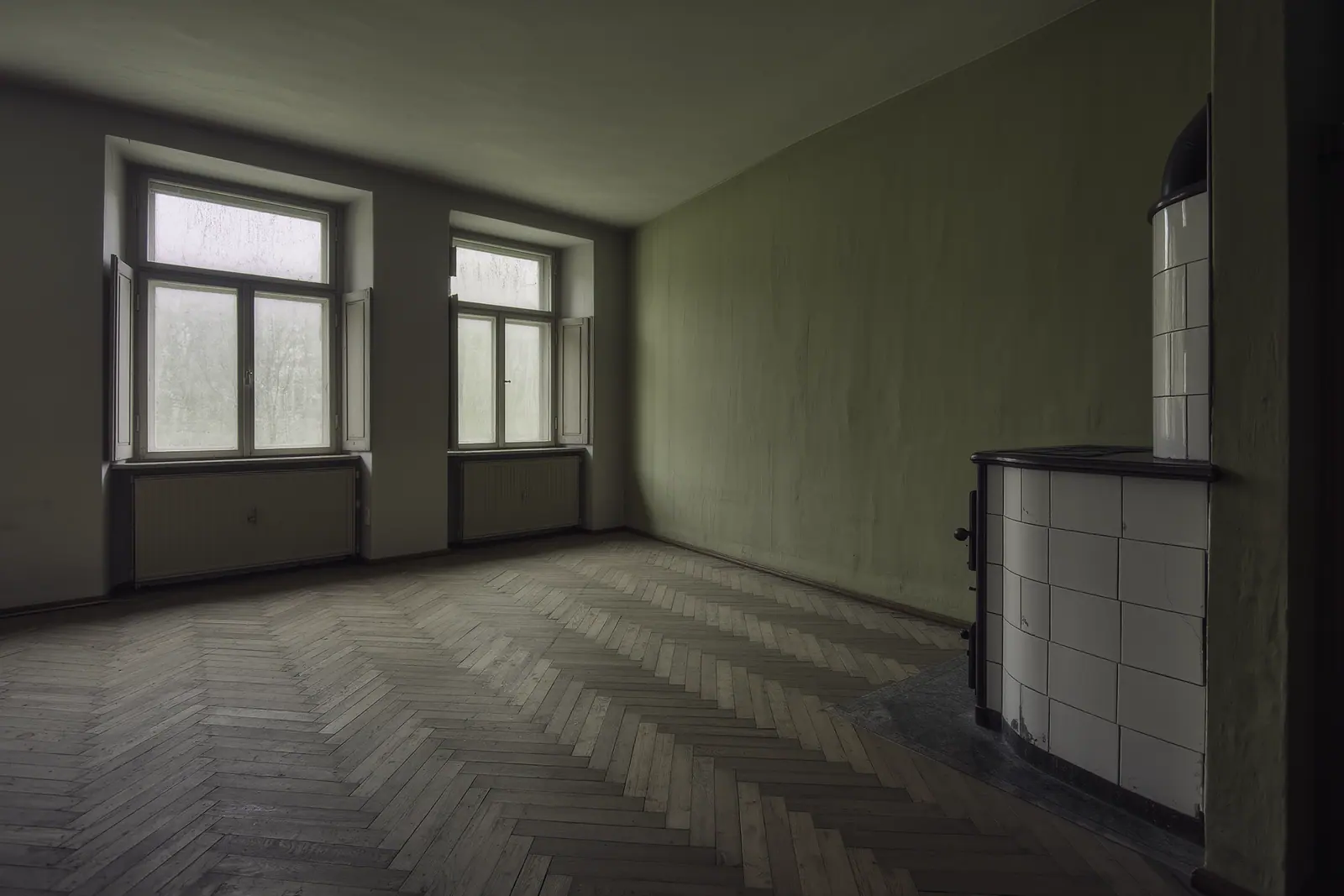
The room is perfect. It is on the ground floor of a rear building off a courtyard in Schöneweide, it was a workshop until fairly recently, it has a concrete floor and a wall of steel windows, and the person letting it calls the arrangement “room hire”. You are planning a hundred and twenty people, a band and a bar.
Those two descriptions are of different events, and the gap between them is the part that goes wrong.
Room hire is not the same as holding an event
A hire agreement for a space typically covers the period, the fee, cleaning, damage and the key. It rarely covers what you intend to do inside.
Whether that matters depends on the space. Rooms that exist to host things — a hall attached to a community building, a function room, a space that runs events weekly — come with their permissions in place and a person who knows them. Raw rooms let by whoever holds the lease often do not, and the responsibility lands on you by default rather than by agreement.
Ask one direct question early: has this room hosted an event of this size before, and what did the organiser have to arrange. The answer, or the absence of one, tells you what kind of hire this is.
The four things people miss
- Selling versus providing drinks. A private party where the drinks are part of the invitation sits differently from one where guests pay per glass. Selling is commerce and may need a temporary permission. It is administered locally and the thresholds change, so verify with the district office rather than working from what a friend did in another district three years ago.
- Music rights. Recorded or live music at an event is normally declared to the national collecting society, and the fee depends on the room and the attendance. Some venues hold a blanket licence covering everything they host and some do not. Ask which, and get it in writing, because the invoice arrives afterwards either way.
- Capacity and the fire route. The permitted occupancy is a hard number tied to the exits. Ask for it, plan the furniture around the routes rather than the other way round, and agree what may not be put anywhere — coats on a fire door, a bar across an exit, a smoke machine near a detector.
- Everything outside the door. The smoking crowd, the queue, the taxis and the noise in a courtyard shared with residents. The room is hired; the yard usually is not.
Build, event, strike
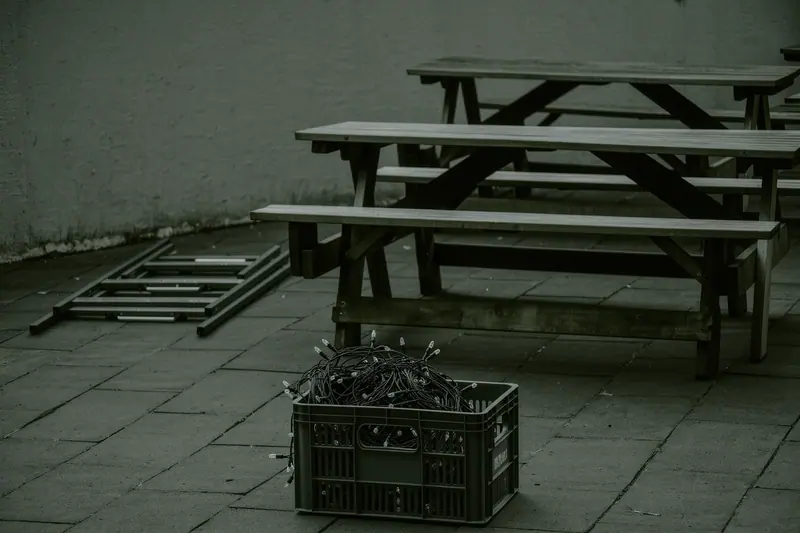
The hire period is not the party. It is three periods, and the third one is the one nobody costs.
- Build. Furniture, bar, sound, lighting and decoration. For a raw room with hired equipment this is half a day and often the day before.
- Event. The hours you actually invited people for.
- Strike. Everything out, floor clear, rubbish gone. At two in the morning, with the people who are still there, unless you have paid someone.
Get all three inside the written hire period. The common failure is a room hired from six in the evening for a party starting at eight, with a pallet of hired benches and lighting arriving at four. Equally common: a strike scheduled for the Sunday morning in a building where nobody has a key on a Sunday.
What Berlin rooms actually are
The market here is not a list of function suites. It is a set of second uses.
- Rear-building halls in the older stock — courtyard access, no lift, real character, and a residential building above you.
- Old workshops and small industrial units in the eastern and southern belts. Space, power, a yard, and often no kitchen and no heating worth the name.
- Community and cultural rooms attached to housing or civic buildings. Cheaper, tightly ruled, and usually with an early finish.
- Gallery and project spaces in the central districts. White, small, strict about the walls.
- Rooms on the water — a jetty space, a moored vessel, a boathouse on the Havel or the Dahme. Wonderful in summer, seasonal, and with their own regulations about numbers and access.
The trade-off is consistent: the more beautiful and raw the room, the more of the evening you are hiring in and building yourself.
Noise, one more time
A hired room does not exempt you from the noise rules that apply to the building and the street. Night-time quiet and Sunday quiet are general rules with the binding detail in the local ordinance and in whatever the building’s own rules say — verify both, and ask the venue what has happened at previous events.
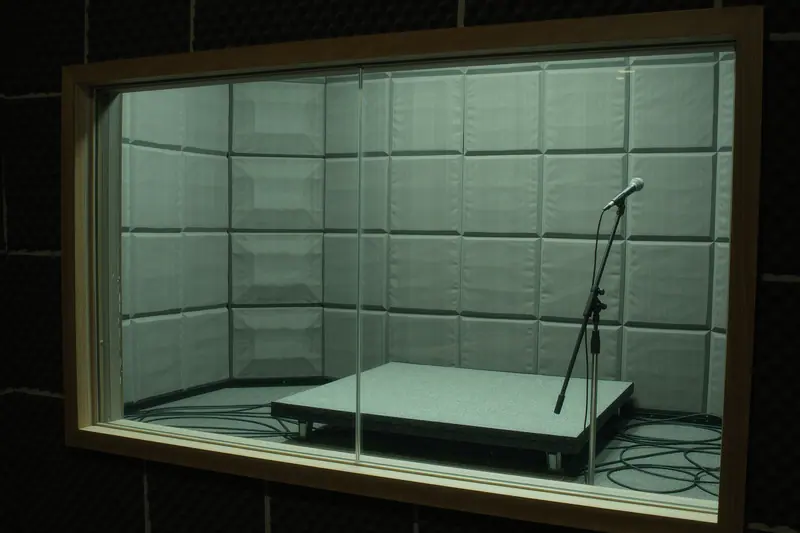
The practical questions are whether the room has any acoustic separation from the flats above, whether the windows have to stay shut after a certain hour, and where people will stand outside. The sound system itself is a solvable problem and the approach is the same as in a courtyard, which is covered here.
Which room to take
If you have never organised an event, take the room that comes with a kitchen, a bar, chairs and a caretaker, even if it is duller. You are buying somebody else’s permissions and somebody else’s experience, and both of them are cheap at the price.
Take the raw room when the room is genuinely the reason for the party, and then budget it properly: hire, equipment, two people to build, two people on the door, a cleaner, and a strike crew. In December, add a month to every lead time and read the winter hire calendar before you fix a date, because the equipment is committed long before the rooms are.
What to check before you book
- Ask for the permitted capacity as a number, in writing, and treat it as a hard limit rather than a guideline.
- Establish whether drinks will be sold or provided. Selling changes what permissions the evening needs.
- Ask whether the venue holds a blanket music licence or whether you have to declare the event yourself.
- Get the build and strike hours written into the hire period, not assumed around it.
- Find out who the keyholder is on the night and what happens if the event runs late.
- Walk the fire exits and the route to them with the venue, and agree what may stand where.
- Check what happens outside: smoking area, queue, taxis and the residents whose windows face the yard.
Questions people actually ask
- Do I need a permit for a private party in a hired Berlin venue?
For a genuinely private, invitation-only gathering in a space already permitted for that use, usually not, and the venue carries the permissions. It changes if you sell drinks or tickets, exceed the permitted capacity, use outdoor or public space, or run something closer to a public event. Requirements sit with the district office and vary, so describe your plan to them or to the venue in writing and verify rather than assume.
- What is the difference between room hire and an event contract?
A room hire agreement gives you a space for a period and usually addresses cleaning, damage and the key. An event contract addresses capacity, staffing, safety, licences and who is responsible on the night. Many small Berlin spaces only offer the first and expect you to handle the second, which is fine as long as you know that is the deal before you sign it.
- How far ahead do venues get booked?
Two to four months is normal for a Saturday, and December is a category of its own — the office party season fills the good rooms in early autumn. Late January and February are the easiest months in the year to hire anything, and the cheapest, which is why so many private parties in this city happen in the least appealing weather.
- Is a raw industrial space cheaper than a proper venue?
The hire fee is, and the evening usually is not. A beautiful empty hall with no bar, no kitchen, no chairs, no sound and no staff means hiring all of it and having somebody build it. Add furniture, lighting, a sound system, glassware, a cleaner and two people on the door and the total frequently passes a venue that comes with all of it. Take the raw room when the room is the point.