On the waterBerlin
Houseboat and floating accommodation hire in Berlin
Apr–Oct
A moored floating flat and a self-drive houseboat are sold in the same listings and are not the same holiday. What is actually aboard, how the tanks and the shore power work, where you may spend the night, and why a high-sided boat on the Havel in a westerly is work rather than leisure.
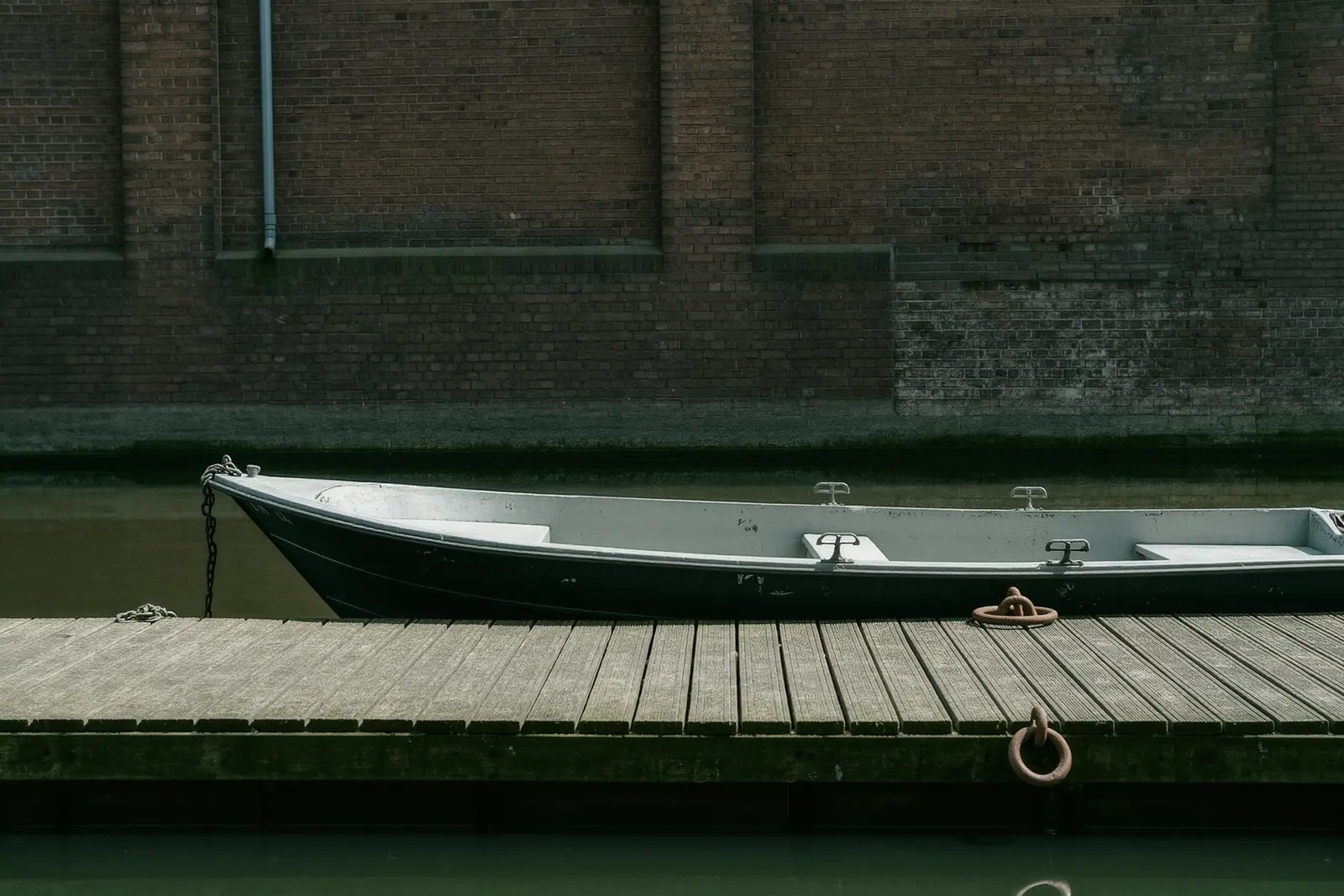
Two listings, the same word, and two completely different weeks. In the first, something that looks like a small timber house sits at a jetty on a side arm of the Spree, connected to shore power, and it has not moved in four years. In the second, a tall white boat with a wheelhouse and a rail is handed to you with a chart, a set of keys and the expectation that you will bring it back on Saturday.
Everything about the booking depends on which of those you are actually hiring.
Four things sold as one
| Type | Moves | Licence question | Where it lives | Best for |
|---|---|---|---|---|
| Moored floating flat | No | None; it is accommodation | Marinas and side arms in the city | Summer stays, a quiet base |
| Self-drive hire houseboat | Yes | Below the threshold, or a certificate | Bases on the Havel and out in Brandenburg | A week on the water with a crew |
| Raft-style day boat with a cabin | Yes, slowly | Usually licence-free | City and lake bases | A day and a night, first-timers |
| A berth for a boat you already have | — | Your own qualification | Marinas | Not a holiday product at all |
The listings blur these deliberately, because the word does the marketing. Ask one question first — does it move — and everything else follows.
The moored floating flat
This is accommodation on water, and it is a genuinely good product in this city between roughly April and October. You get quiet, a view that changes, air temperature several degrees below a top-floor flat in a July heatwave, and a short walk to a gate and a car park.
What people are not warned about:
- Movement. It is slight and constant, and it takes a night or two.
- Wash at six in the morning, when the first working vessel goes past. Side arms are quieter than main channels for exactly this reason.
- Condensation, in spring and autumn, on every cold surface including inside cupboards.
- Insects in the warm weeks. Screens matter more than the photographs suggest.
- Access. A jetty, a gate, a code, and everything you brought carried along a narrow walkway. There is no lift and no trolley.
- Deliveries and post do not work. Plan around it.
The self-drive boat, and what it is really like
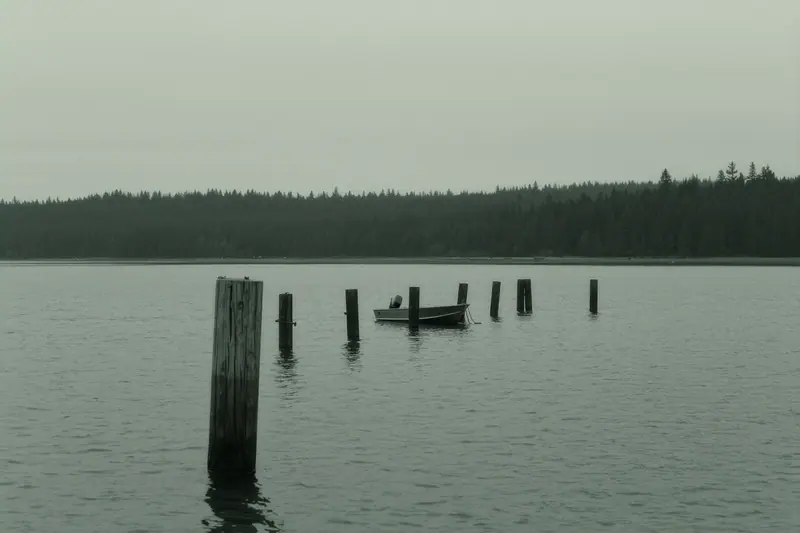
Hire houseboats are built to be forgiving: low power, flat bottoms, big fenders, nothing sharp. What they are not is easy in wind. A tall cabin on a light hull is a sail, and on the open Havel in a fresh westerly the boat crabs sideways whenever you slow down, which is precisely when you need it not to.
The manoeuvre that decides the week is coming alongside. Approach at a shallow angle, slowly, get a bow line onto a cleat or a post first, and let the stern come in on its own. Practise it twice in open water with a fender as a target before you try it in a marina with an audience.
The other constraint is where you are allowed to be. Tying up along a bank is not generally permitted, and overnight stops belong at marinas, designated guest berths and the operator’s own bases. In July and August the good ones are taken by mid-afternoon, which means the day’s route has to be planned around a destination rather than around a mood. Whether locks and the central city are inside your permitted area is the same question as for any hire boat, and it is covered in licence-free boat rental on the Spree and the Havel.
Tanks, power and the domestic side
The part nobody reads and everybody discovers on day three.
- Fresh water comes from a tank filled at the base and topped up at marinas. A crew of six showering daily empties it faster than the brochure implies.
- Waste goes into holding tanks and is emptied at pump-out stations, which are not evenly spaced. Ask for their locations on your chart at handover and plan a stop rather than an emergency.
- Shore power is available at berths and not between them. Everything aboard runs off the battery when you are away from a post, and the fridge is the biggest draw.
- Gas does the cooking and sometimes the hot water. One bottle in use, one spare, and both stowed in the locker they belong in.
- Heating matters in April, May, September and October far more than people expect. Ask what the boat has, not whether it has any.
The season, and what winter does
The standard hire season runs from around April to October. Outside it, most self-drive fleets are lifted or winterised and many moored units close. A hard winter still produces ice on the sheltered arms, which is a hull and a jetty problem rather than a comfort one.
The shoulder months are cheap for a reason and can be excellent: September is the best month on this water by some distance, with warm water, empty berths and settled weather. April and October are quiet, cold, and only worth it if the heating is real.
Summer weekends, especially in July and August, need booking months ahead, and changeover days are fixed. A midweek start is easier to get, cheaper, and puts your first and hardest mooring attempts on a quiet day.
Which to book
For a first time on the water, take the moored one. You get the whole point of the thing — the light, the quiet, the temperature, the birds at five in the morning — without spending the week worrying about the wind and the next berth.
Take the self-drive boat when the moving is the holiday, when you have a crew of at least two who will both handle lines, and when you have a week rather than a long weekend, because the first two days go on learning the boat. Test yourself first with a day out — the Havel lakes route is the honest rehearsal. And if you are considering a floating flat as a substitute for a rented room rather than as a holiday, read the registration question first, because on paper it is a holiday let and it will not solve that problem.
What to check before you book
- Establish first whether the unit moves or is permanently moored. The listings use the same word for both.
- For a self-drive boat, get the permitted area as a chart and ask specifically about locks and overnight mooring.
- Ask where you may legally spend the night. Tying up anywhere along a bank is not generally permitted.
- Check the fresh water tank capacity, the waste tank capacity and where the pump-out points are on your route.
- Ask what the sleeping number means: berths, or people who can sleep comfortably. They are rarely the same.
- For a moored unit, ask about shore power, heating and what happens in the shoulder months.
- Ask how the boat behaves in wind, and whether the operator imposes a wind limit or a curfew.
Questions people actually ask
- Do I need a licence for a houseboat in Berlin?
For the self-drive hire boats built to sit below the national propulsion power threshold for inland waters, generally not, though the threshold is set nationally, has been revised and should be verified with the operator and the waterways authority. A permanently moored floating flat does not move at all, so the question never arises; you are hiring accommodation rather than a vessel.
- Can I moor a hired houseboat anywhere on the bank?
No, and this is the single biggest planning constraint. Overnight mooring belongs in marinas, at designated guest berths and at the operator's own bases, and much of the bank is either private, protected or reserved. Plan each night before you leave in the morning, and expect guest berths in the popular spots to be taken by mid-afternoon in high summer.
- Is a floating flat a good way to stay in Berlin for a few weeks?
In summer it is one of the better ones, and it is a holiday let rather than a home, so it will generally not help you if you need to register an address. It is quiet, cool in a heatwave and completely different from a courtyard-facing back room. In the shoulder months it depends entirely on the heating, and in winter most units are closed or winterised.
- How hard is a self-drive houseboat to handle?
Straightforward in still air and genuinely demanding in wind. These are tall, light, flat-bottomed boats with a great deal of surface above the waterline, so they drift sideways faster than a beginner expects, and the engine cannot correct that. Manoeuvring into a berth in a crosswind is the whole skill, and it is worth practising twice in open water before you attempt it with people watching.